Part 1 · Numbers and reality
- How pay inequality is calculated
- Pay inequality as both cause and consequence across gender inequality and violence against women



Rethink how we approach pay inequality to reduce it more effectively.
Diversity, equity & inclusion · Gender equality
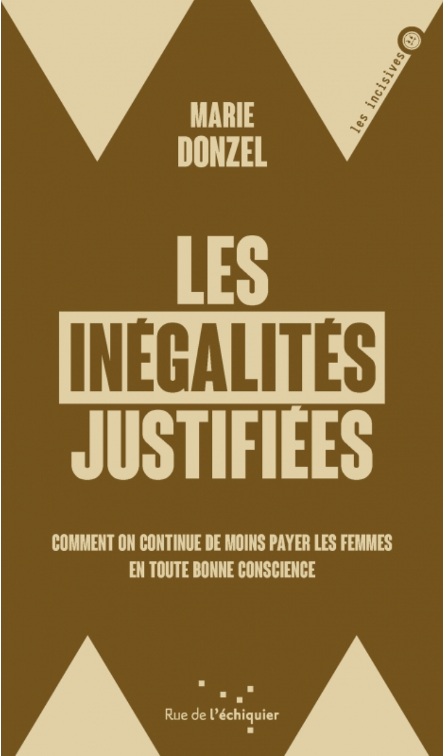
The principle of equal pay for work of equal value has been recognised for over a century. For more than 50 years, we have used the same method to analyse pay gaps. This method can, for example, turn an overall gap of 24% into an unexplained gap of 4% in France. But reducing a number, even with a sophisticated calculation, does not itself transform reality or achieve social justice. Women remain statistically less well paid than men, an unsatisfactory situation for women and society. To change this, we must ask new questions and provide relevant answers to renew equality and gender-balance policies.
Let’s discuss your challenges and audience.